Concrete Effect Tiles
217 results
-
−38%
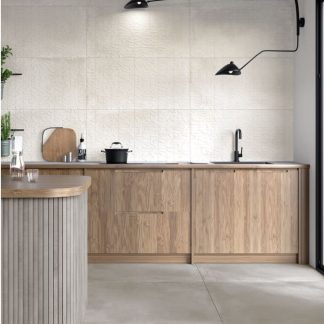
Caementum Albus 122,2×122,2 cm
R10V2 Sale!66,00 €41,00 € /m² (122,59 € per box of 2,99 m²) VAT included -
−33%
Caementum Albus 30,4×61 cm
R10V2 Sale!40,00 €27,00 € /m² (35,10 € per box of 1,3 m²) VAT included -
−36%
Caementum Albus 61×122,2 cm
R10V2 Sale!53,00 €34,00 € /m² (50,66 € per box of 1,49 m²) VAT included -
−38%
Caementum Albus 61×122,2 cm Relievo
V2 Sale!61,00 €38,00 € /m² (56,62 € per box of 1,49 m²) VAT included -
−34%
Caementum Albus 61×61 cm
R10V2 Sale!44,00 €29,00 € /m² (43,21 € per box of 1,49 m²) VAT included -
−36%
Caementum Albus 90×90 cm
R10V2 Sale!53,00 €34,00 € /m² (55,08 € per box of 1,62 m²) VAT included -
−38%
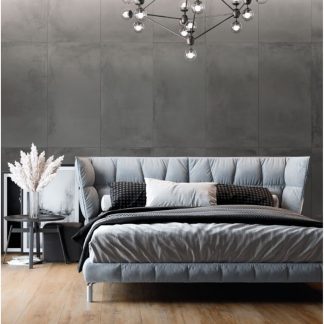
Caementum Clarus 122,2×122,2 cm
R10V2 Sale!66,00 €41,00 € /m² (122,59 € per box of 2,99 m²) VAT included -
−33%
Caementum Clarus 30,4×61 cm
R10V2 Sale!40,00 €27,00 € /m² (35,10 € per box of 1,3 m²) VAT included -
−36%
Caementum Clarus 61×122,2 cm
R10V2 Sale!53,00 €34,00 € /m² (50,66 € per box of 1,49 m²) VAT included -
−38%
Caementum Clarus 61×122,2 cm Relievo
V2 Sale!61,00 €38,00 € /m² (56,62 € per box of 1,49 m²) VAT included -
−34%
Caementum Clarus 61×61 cm
R10V2 Sale!44,00 €29,00 € /m² (43,21 € per box of 1,49 m²) VAT included -
−33%
Caementum Clarus 61×61 cm Outdoor
R11V2 Sale!45,00 €30,00 € /m² (44,70 € per box of 1,49 m²) VAT included
The look of concrete and resin with no building site and no cracks: continuous surfaces, warm or cool tones, large rectified sizes. Full technical data on every product page and the price per m² including VAT.
Concrete effect stoneware: a continuous surface without pouring a screed
Exposed concrete is admired for how even it looks, but as a real material it needs treatments, stains easily and can craze. Concrete effect stoneware reproduces that surface with water absorption below 0.5%, stain resistant and ready to use as soon as it is laid. It is the most accommodating background there is for contemporary furniture, and for the wood and metal that so often go with it.
The right grey, warm or cool
The difference between two apparently identical greys only shows at home, in real light: warm tones pull towards beige and sit well with wood and brass, cool ones turn towards blue and go with steel and glass. Before ordering a pallet it is always worth seeing the €5 sample in the room where you will lay it. How to choose a concrete effect floor.
Floor and wall in one look
The same series in two different sizes gives you the total look: floor underfoot, wall tiling in the bathroom or in the shower, without changing colour. In large rectified sizes the grout joint drops to 2 mm and the eye reads a single surface, which is the whole reason for choosing concrete. What changes with rectified tiles · large sizes in small rooms.
Slip resistance, wastage and quantities
In bathrooms and kitchens the R10 rating is the common sense choice; terraces and paths need R11 on frostproof material. When working out quantities, add 10% wastage allowance for straight laying and 15% for diagonal, and round the boxes up: the calculator on the product page does this and also shows the weight of the pallet. Guide to slip-resistance ratings · working out boxes and wastage.
Frequently asked questions
No. It is porcelain stoneware: water absorption below 0.5% and a non-porous surface, so coffee, wine and grease do not soak in. It needs none of the periodic sealing treatments that exposed concrete requires.
Read the guide →It depends on the furniture and on the light in the room: warm greys pull towards beige and go with wood and brass, cool ones turn towards blue and sit with steel, glass and pure whites. This is where the €5 sample makes the difference.
Read the guide →Yes, and that is the typical use of the concrete effect: same colour, different sizes for floor and wall. The Room field on each product page states which uses the manufacturer declares that item suitable for.
Read the guide →With rectified tiles you go down to 2 mm joints, which is what gives the continuous surface effect. It does call for a properly level substrate and a precise tiler: on uneven floors a more generous joint is more forgiving.
Read the guide →10% more for straight laying, 15% for diagonal or herringbone, rounded up to whole boxes. It is worth ordering everything at once: boxes from the same batch have matching shade and calibre.
Read the guide →The price is always in €/m² including VAT, with the price per box shown next to it. Only pallet shipping is added, and the rate for each zone is published and visible before payment. From 50 m² upwards the volume discounts stated on the product page come into play.
Read the guide →